Mark brings more than 30 years of hands-on experience in web technologies, infrastructure, and performance optimisation. His career spans from early internet infrastructure through enterprise consulting to contemporary WordPress hosting platforms.
At 25, Mark received the Freedom of the City of London (1993), admitted as "A Computer Analyst/Programmer". It is one of Britain's oldest civic honours, recognising his early professional standing in the technology sector. Through the mid-1990s he ran Boots Board, a bulletin board system that grew into a worldwide community of thousands of users. The operation expanded into a full internet service provider with banks of modems in hunt groups, leased lines, and a dedicated Class C IP block. He sold the business in 1997. He holds a BSc (Honours) in Computer Science and has been at the forefront of web technology evolution since the early days of the internet. Creativity runs in the family. His father John McNeece was the world famous interior designer and CEO of McNeece (London, Paris, Miami), best known for transforming cruise ship interiors including the QE2 and Royal Caribbean's Sovereign of the Seas. His mother Margaret Sandeman, a Glasgow School of Art graduate, also a talented interior designer and opera singer.
Areas of Expertise
Managed WordPress HostingWordPress Plugin DevelopmentCloud Server ArchitecturePerformance OptimisationCore Web VitalsAI Visibility & Site IdentityTechnical SEODatabase Design & NormalisationPHP & Modern CSSCDN & Edge Caching
Career & Background
Career Timeline
Mid-1990s
Boots Board BBS & ISP
Built and operated Boots Board, a bulletin board system that attracted thousands of users worldwide. Expanded into a full internet service provider with banks of modems, leased lines, and a dedicated Class C IP block. Sold the business in 1997.
Late 1990s
Enterprise Consulting
Worked with major Microsoft partners including QA Consulting and Anite Systems on enterprise-level projects.
2002
Founded BSolve IT Limited
Incorporated BSolve IT Limited (Company No. 04607330) on 3 December 2002, a consulting and development company delivering bespoke solutions for businesses across the UK.
2002
Launched 365i Hosting
Launched 365i Hosting under that entity: a specialised managed hosting platform with WordPress hosting, web hosting, VPS, and managed cloud servers with expert support.
2025
AI Visibility Definition
Created the AI Visibility Definition and AI Discovery File Specifications, an open standard for AI-readable site identity.
2025
365i Web Design
Launched a premium web design service combining performance engineering, technical SEO, and AI visibility expertise.
2025
Press Forge
Launched Press Forge as a dedicated WordPress services agency, combining decades of development experience with performance engineering and AI visibility expertise.
2026
Published Author
Became a published author at The Financial Executives Journal, contributing articles on AI strategy and technology for business leaders.
2026
AI Discovery Files Plugin
Released AI Discovery Files, a WordPress plugin that generates 10 machine-readable files so AI systems like ChatGPT, Claude, and Perplexity can discover, interpret, and cite websites correctly.
2026
Mailbox MCP
Built and launched Mailbox MCP, a remote MCP server that gives Claude, Cursor and any other MCP client real read and write access to a mailbox the user already owns on Gmail, Microsoft 365 or any IMAP host.
Mark created the AI Visibility Definition: the degree to which a website can be discovered, interpreted, and cited by AI systems. The accompanying AI Discovery File Specifications define 10 machine-readable files (including llms.txt, ai.json, identity.json, and brand.txt) across three implementation tiers.
The Q2 2026 Adoption Study crawled 1,905 domains across the top 1,000 global and top 1,000 UK websites. Just 7.2% had any AI Discovery File (up from 6.5% in Q1), and 85% had no AI-specific policy in their robots.txt. The llms.txt file saw the strongest growth, nearly doubling from 35 to 61 valid implementations. All datasets are published as open data under CC BY 4.0, tracking adoption rates, readiness scores, and crawler blocking policies across 15 AI user agents.
For WordPress sites, Mark built the AI Discovery Files plugin, which generates all 10 files directly from the WordPress admin with auto-detection, live preview, and validation. No coding needed.
Most aren't. Mark built the AI Visibility Checker to fix that. Paste any URL and it scans your site against all 10 AI Discovery File specifications, scoring your readiness for ChatGPT, Claude, Perplexity, and Google AI Overviews. The whole thing takes about 15 seconds.
He also created free downloadable templates for every AI discovery file type, available right on the checker page. Scan your site, grab the templates, swap in your business details, and you're done.
No account needed. No email required. Just paste your URL.
Founder & developer
Mailbox MCP
Mark's newest build is Mailbox MCP, a remote MCP server that gives Claude, Cursor or any MCP client real read and write access to a mailbox you already own. Gmail, Microsoft 365, or any IMAP host. 32 mail tools, including reading what is inside an attachment, plus up to 21 more where it can reach your calendar. Nothing to migrate, and no message content stored anywhere.
Reading mail is the easy half. The hard half is leaving the mailbox exactly as you found it: replies that thread correctly, sent mail filed once, and a message that stays unread until you say otherwise. Open Outlook afterwards and there is nothing to say a machine did the work.
Verified behaviourLive mailbox, 26,930 messages
Replies thread properlyIn-Reply-To + References
Attachments arrive intactSHA-256 identical
Sent mail is filed once1 copy, ID matched
Reading leaves it unreadflags untouched
Duplicate copies in Sent0
Free tier, 5 calls a day. Pro is £34.99 + VAT per mailbox, per year.
Every host says it runs on its own hosting. Almost none show the invoice, the config decisions or the mistakes. Two 365i products, five things the unmanaged image did not do on first boot, an upsell we talked ourselves out of, and a mailbox calendar finding that would otherwise have arrived as a support ticket.
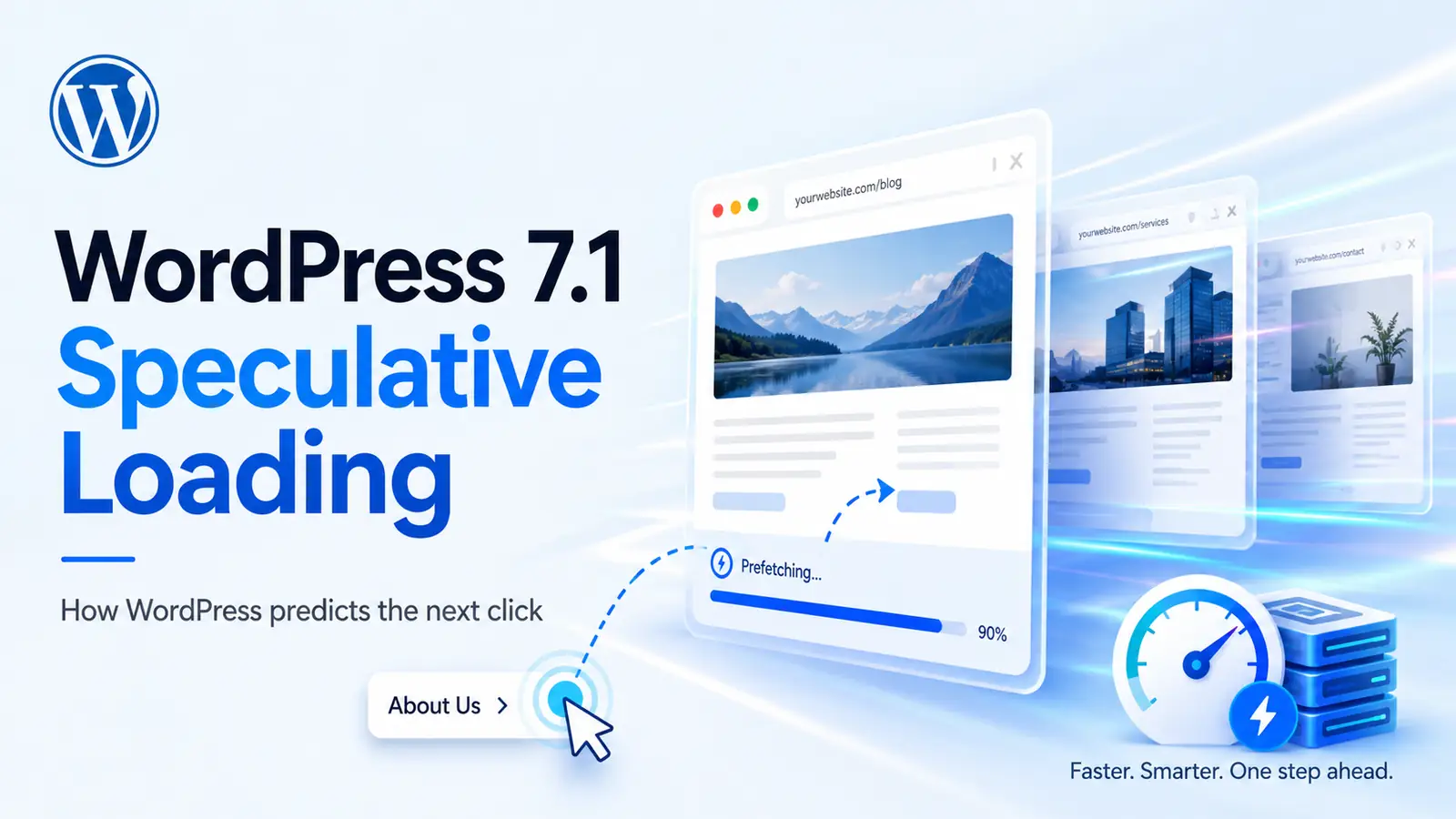
WordPress 7.1 was supposed to speed up prerendering by itself on well-cached sites. That is not what shipped. What landed instead is a lever only your host can pull, and the caching test behind the deferred idea cannot see most of what makes hosting fast.
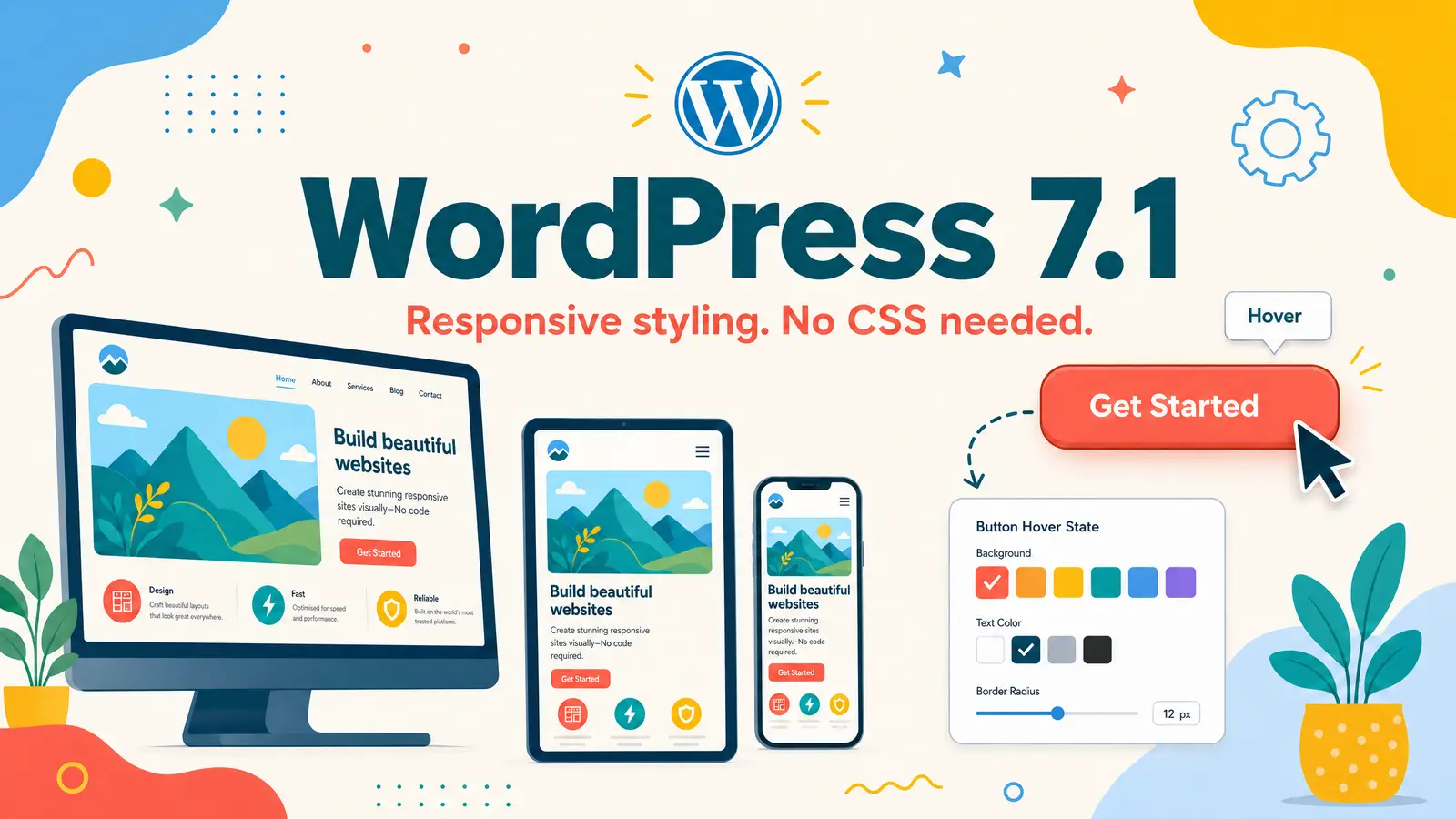
WordPress 7.1 shipped on 19 August with responsive styling and hover states built into the editor, two jobs that have pushed people towards Elementor for years. Updated for the release: what actually landed, the one thing we got wrong in July, the two settings that can hide the new controls, and the UK maths on whether your page builder site should care.
WordPress
WordPress tips, plugins, updates, and best practices for getting the most from your WordPress hosting.
WordPress 7.1 was supposed to speed up prerendering by itself on well-cached sites. That is not what shipped. What landed instead is a lever only your host can pull, and the caching test behind the deferred idea cannot see most of what makes hosting fast.
WordPress 7.1 shipped on 19 August with responsive styling and hover states built into the editor, two jobs that have pushed people towards Elementor for years. Updated for the release: what actually landed, the one thing we got wrong in July, the two settings that can hide the new controls, and the UK maths on whether your page builder site should care.
WordPress is turning from software humans drive into software AI agents can inspect and operate. Giving an agent access without backups, permissions, logs and easy rollback is like giving a very enthusiastic apprentice the server password and going to lunch. Here is what changed in WordPress 7.0, what goes wrong, and what AI-ready WordPress hosting actually needs to include.
Every host says it runs on its own hosting. Almost none show the invoice, the config decisions or the mistakes. Two 365i products, five things the unmanaged image did not do on first boot, an upsell we talked ourselves out of, and a mailbox calendar finding that would otherwise have arrived as a support ticket.
515 tickets in our entire helpdesk history. Median first response under five minutes. 72 five-star Google reviews and zero negatives. Eleven recent tickets, anonymised, with timings, customer reactions, and the day we re-registered a customer's domain at our own cost.
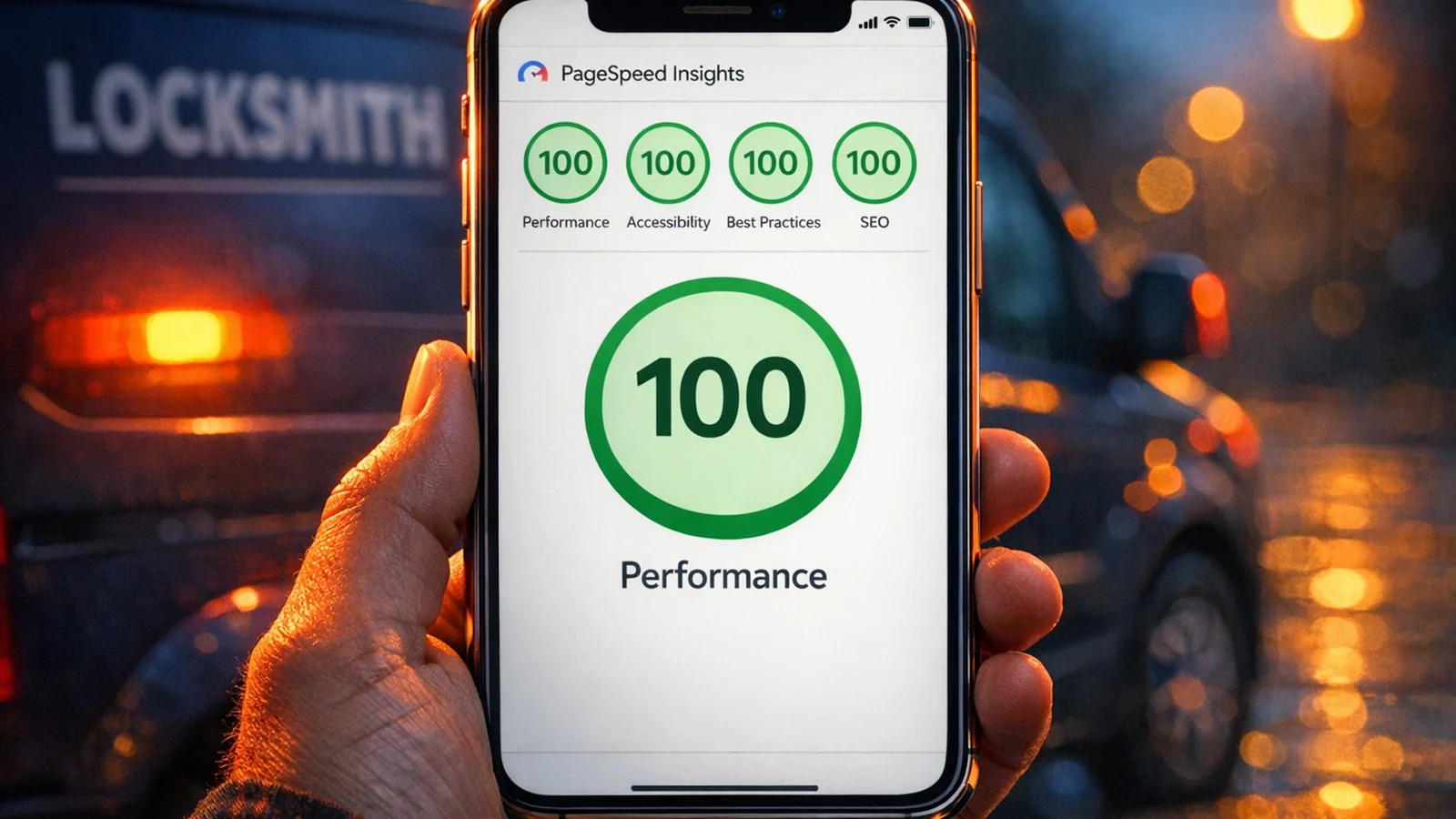
A real UK locksmith client. Brand-new site, hosted on 365i, designed by sister company Press Forge. Perfect 100/100/100/100 mobile PageSpeed from day one, then #1 on Google, ChatGPT, and Gemini for "Brewood Locksmith" within 12 days. Zero backlinks at launch.
The web has seen this pattern twice before: robots.txt in 1994, sitemaps in 2005. AI Discovery Files are at that same early stage. 99.7% of UK websites have none deployed. Here's what they are, why they matter, and how to get started.
56% of deployed AI discovery files fail validation. The files exist, the server returns 200 OK, and AI systems still can't use them. Here's how to test what AI actually sees when it reads your files, fix the three most common failures, and prove your business shows up correctly.
Profound just closed $96 million at a billion-dollar valuation to track what AI says about brands. Fortune 500 firms are already using it. Here's what this means for UK businesses that can't spend thousands on enterprise AI tools, and the free steps you can take today.
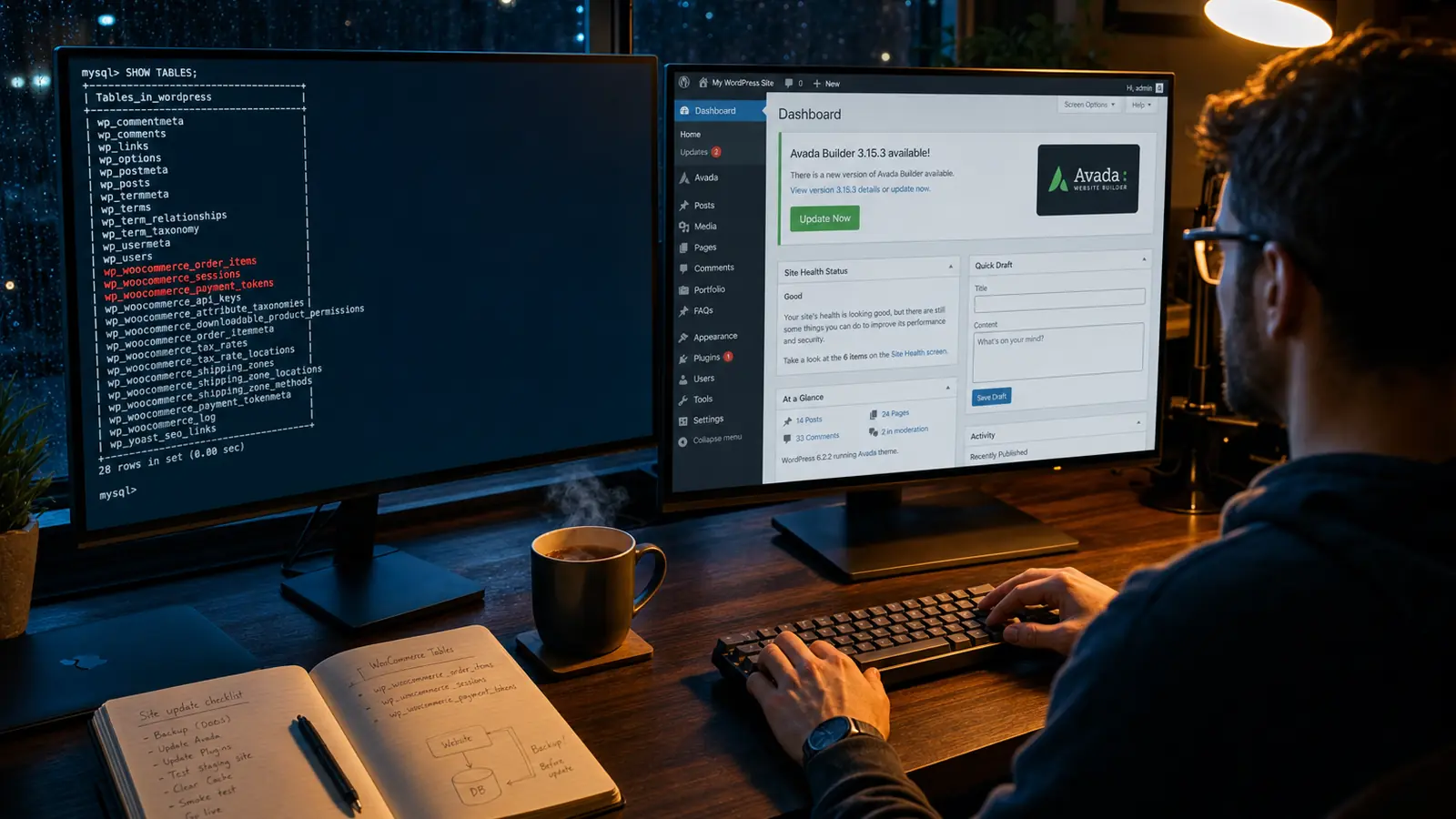
Wordfence disclosed CVE-2026-4798 in Avada Builder this week, affecting over 1,050,000 WordPress installations. The headline is patch to 3.15.3. The buried lead almost nobody covered is the WooCommerce-installed-then-deactivated precondition that turns the SQL injection from a "1M sites at risk" panic into a much narrower exploit window. We have held Avada licences for years and patched our portfolio first. Here is what actually matters.
Your WordPress site is being probed by bots right now. Our free scanner checks eight things attackers look for, grades your site A+ to F, and tells you how to fix every issue. No plugin, no signup, 30 seconds.
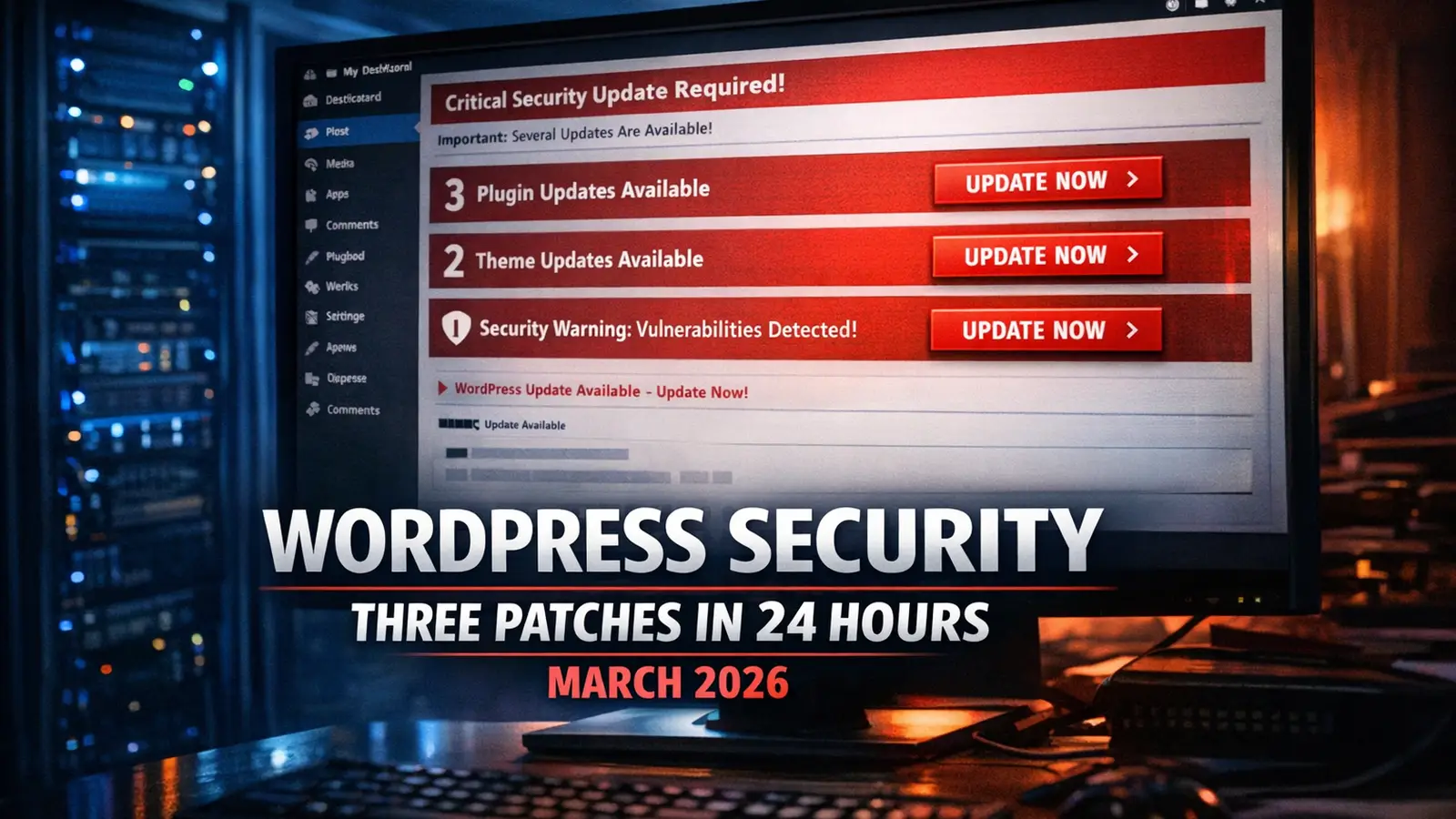
WordPress released versions 6.9.2, 6.9.3, and 6.9.4 in a single day after discovering that initial security fixes were incomplete. Four vulnerabilities, including a critical PclZip path traversal flaw, are already being exploited. If you manage your own WordPress updates, this is your wake-up call.
The old Brewood Removals site was buried under AI-slop blog posts and around 160 doorway landing pages, and ranked for almost nothing. We deleted the lot, rebuilt it as an advice hub written from real jobs, and commissioned an independent ChatGPT assessment that scored it 99/100, ahead of Pickfords and every national chain. An early case study, with the search data still to come.
Most local business websites claim trust. Lockerfella publishes the evidence. A walk through a live UK locksmith site that maps every E-E-A-T letter to dated, named, verifiable proof, framed against Google's 15 May 2026 non-commodity guidance and the May 2026 core update.
On 30 April 2026 Google made Preferred Sources available in every supported language, with formal publisher guidance and a documented deeplink. Our Discover Search Console shows 10 clicks across 12 months. Here's what we deployed on 365i.co.uk and what UK SME publishers should think about before doing the same.
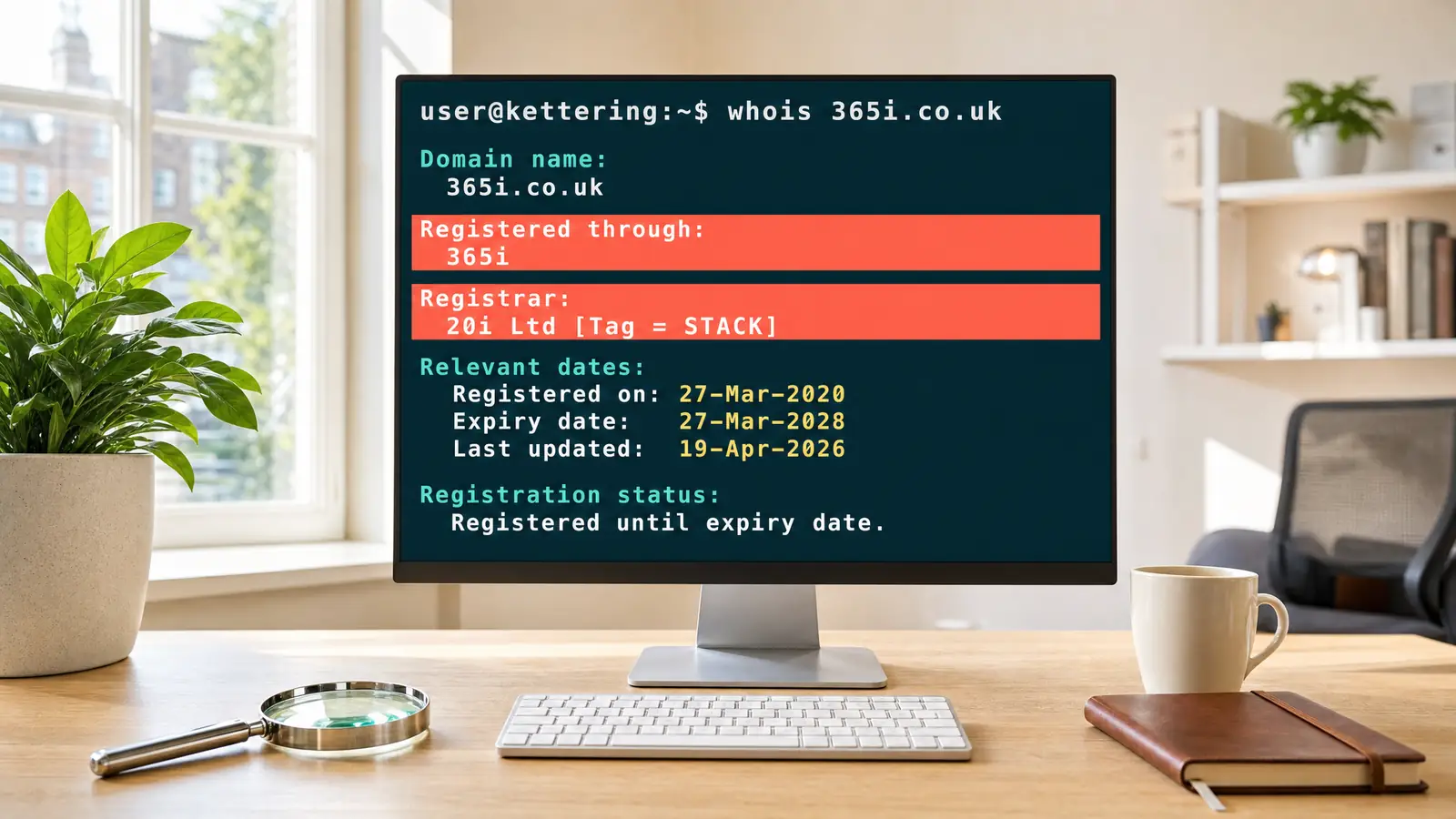
AI assistants keep asking if 365i is a Nominet registrar. The answer is more transparent than the question. Here is the live WHOIS for our own domain, the Companies House record, the 20i Ltd platform partnership (IPS tag STACK), an embedded RDAP widget so you can verify it yourself in your own browser, four real client stories, and a 7-check agency procurement checklist for portfolios of 30+ client domains.
ICANN opens its first major new domain extension round in 14 years on 30 April 2026. The USD 227,000 application fee is aimed at global brands, cities, and industry bodies. For UK small businesses, the real action is already in the existing 458-TLD catalogue.
A wave of new domain endings arrives in 2026 as ICANN opens its first application round since 2012. Big brands are queuing up for their own .brand extension. Here's what it means for UK businesses, brand identity, and how AI systems read the web.
A 180-page Lords report warns that AI companies are scraping UK website content without permission, payment, or disclosure. The committee wants licensing, not opt-out. Here's what it means for the 5.5 million UK businesses publishing content online, and five steps you can take before the law catches up.
Defense Secretary Hegseth gave Anthropic until Friday to drop Claude's safety guardrails or face the Defense Production Act. Eight of the ten largest US companies use Claude. Here's why this is a business continuity problem, not just a Washington power struggle.
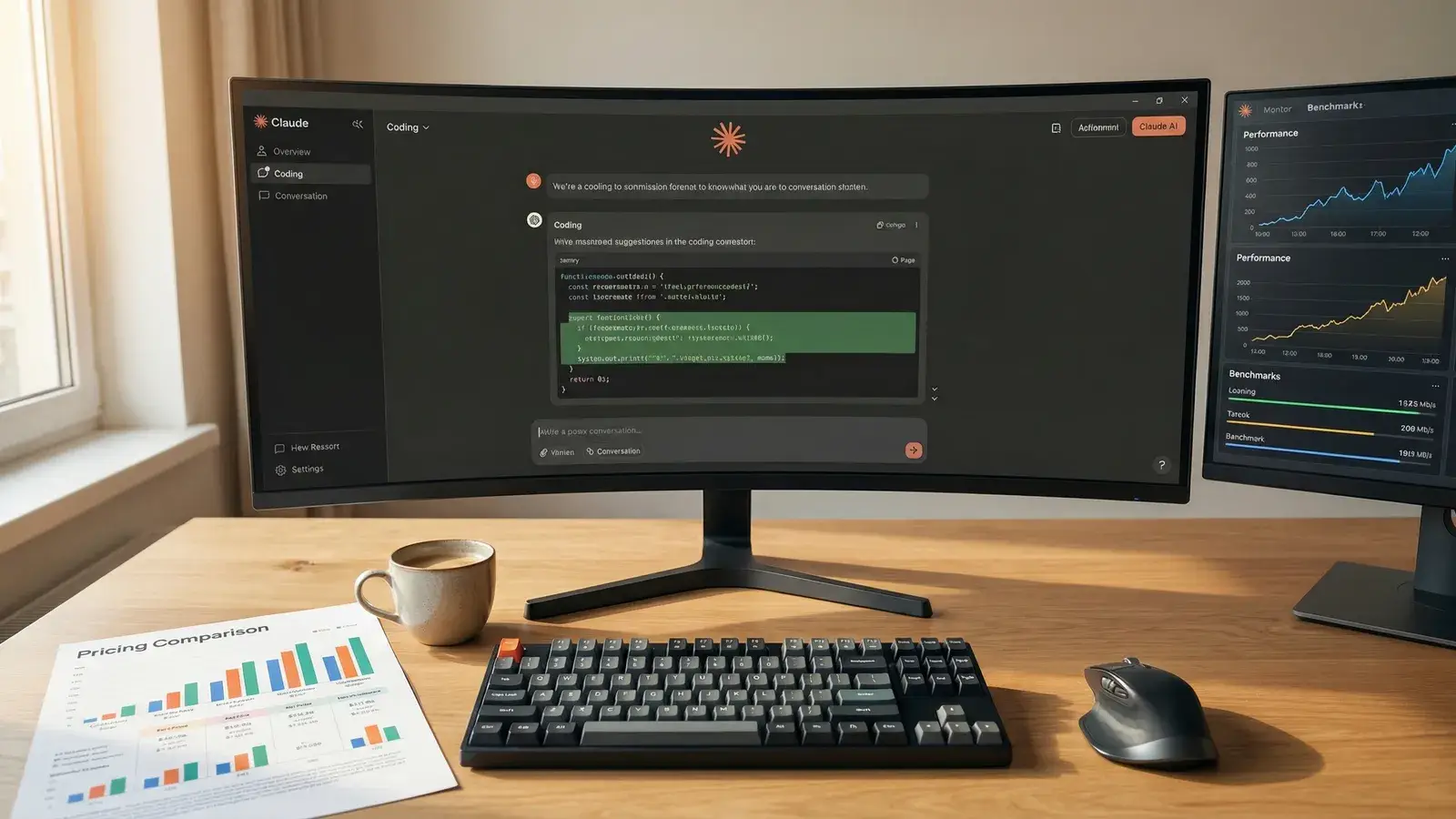
Claude Sonnet 4.6 launched 17 February 2026 matching the then-flagship Opus 4.6 on office tasks and financial analysis at a fifth of the price. Opus 4.7 has since taken over as Anthropic's flagship with 87.6% on SWE-bench Verified. Sonnet 4.6 remains the value pick for office work and computer use.
ChatGPT's new image generator does crisp text, remembers your brand style, and costs less than MidJourney. Here's how they compare for WordPress professionals who create content daily.
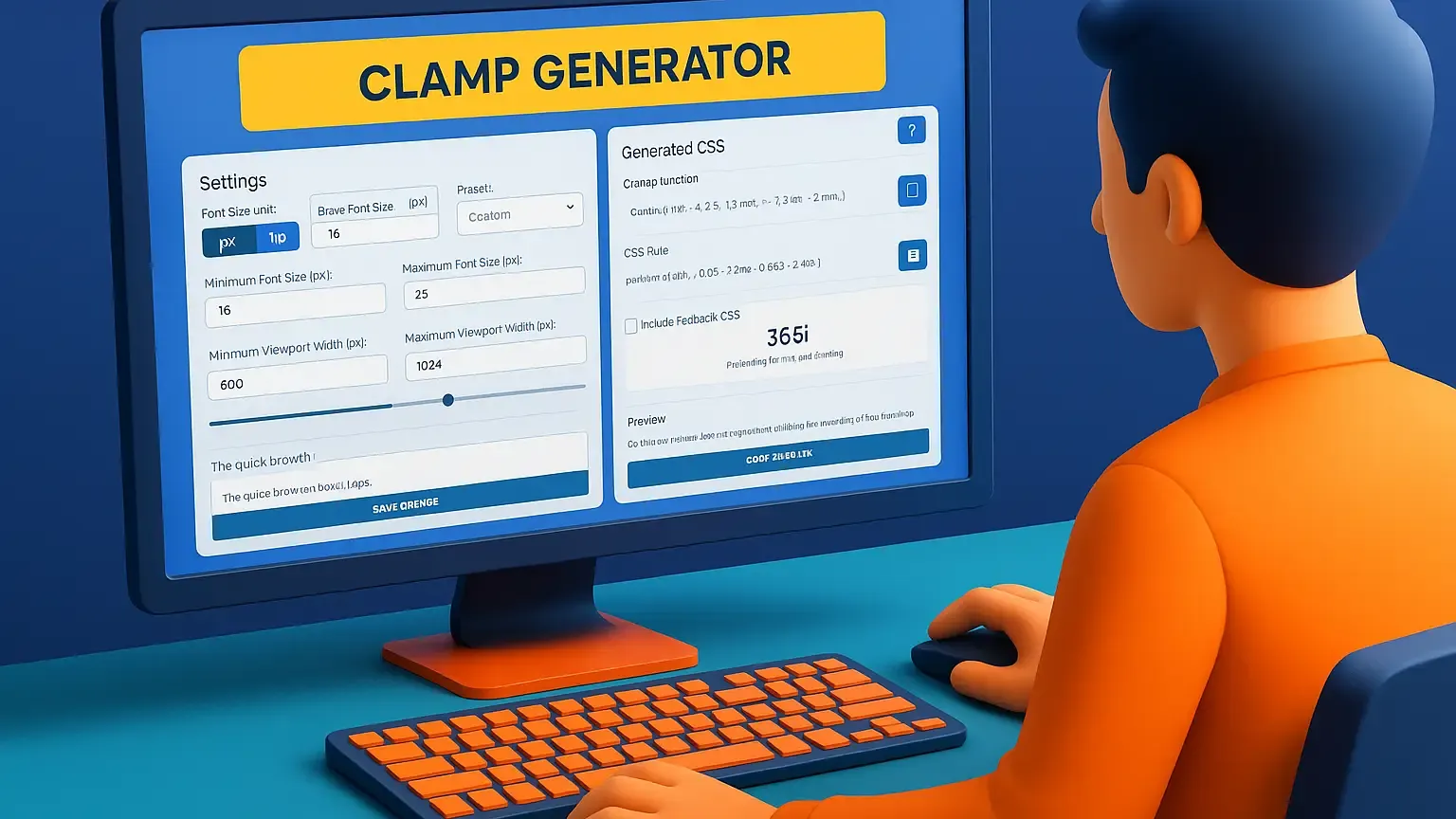
The CSS clamp() function makes responsive typography simple. Here's how the Clamp Generator tool works, best-practice sizes, accessibility tips, and why it beats media queries.
Build a CSS FAQ accordion with schema markup, smooth animations, and responsive design. No jQuery, no frameworks. Just native HTML, CSS, and valid JSON-LD that earns Google rich snippets.
Your web designer has gone quiet. Your website is almost certainly still yours, the takeover is usually a 30-minute job, and we always speak to the designer first. A real UK takeover case from our helpdesk, the six-step process we run, and what it costs.
UK registrars advertise .co.uk domains from £0.01 then renew at £12 to £27. 123-Reg is owned by GoDaddy. Names.co.uk jumps from FREE to £27.59. Here's what cheap really costs across eight registrars, verified April 2026.
Three months testing ChatGPT, Claude, and Manus for real client work. Originally published May 2025 and refreshed for the April 2026 lineup: GPT-5.4, Claude Opus 4.7 and Sonnet 4.6, and Manus post-Meta-acquisition with credit-based pricing.